
6 Simple Ways to Lower Your Property Tax Bill
Learn how to reduce your property taxes with easy steps that can help you save money and take pressure off your monthly budget.
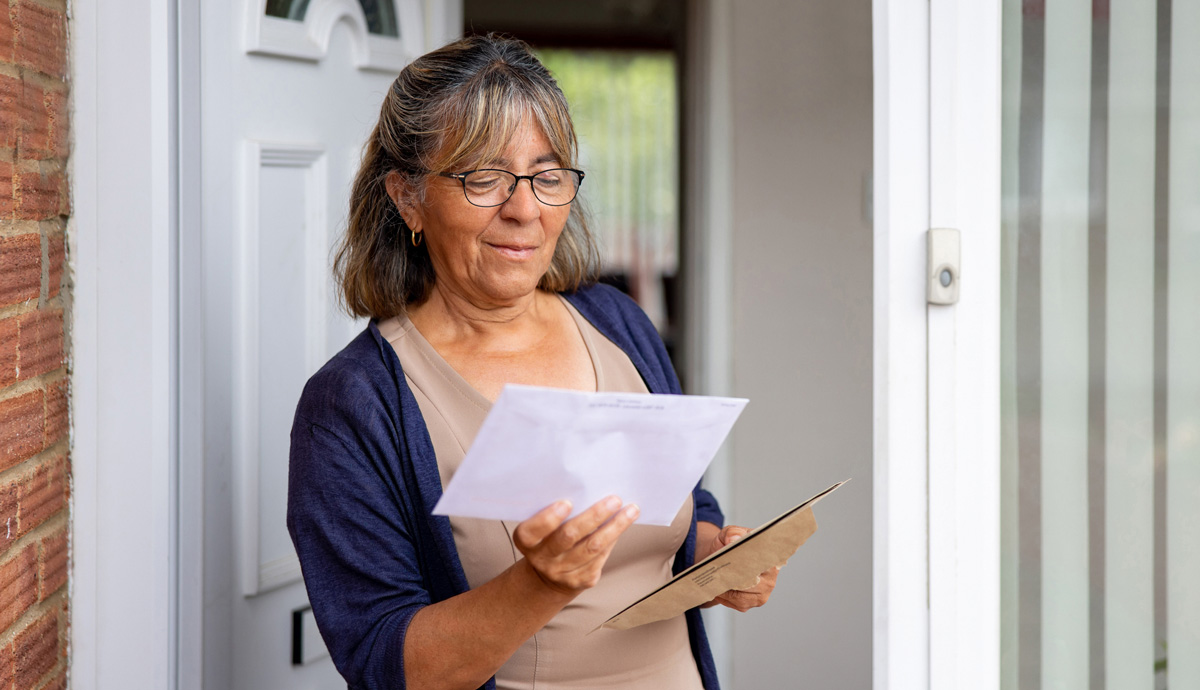
In the past few years, home prices across the country have gone up quickly. When your home value rises, your property taxes often rise with it. Even if your income stays the same, your tax bill may increase, making it harder to plan for monthly costs.
What you pay depends on your home’s value, your state’s tax rate, and any exemptions you qualify for. The good news is that it may be possible to lower your taxes — and here are six ways to do it.
1. Appeal the assessed value
An assessment is an estimate of how much your home is worth. And your tax bill is based on that estimated value. Assessments are usually done by a local or state appraiser working for your tax assessor’s office. If you think the assessed value is too high, you can call their office and ask how they came up with the value. If something doesn’t seem right, you may be able to file an appeal.
To appeal, you will need evidence to support your request. Look up the value of similar homes in your area and share any problems your home has that might lower its value. Assessors often do not do an internal inspection of your home. They may not have the correct square footage or may not know the condition of the interior. Just keep in mind that in many neighborhoods, assessors use computer models that are often very close to the real value. An appeal isn’t guaranteed to lower your bill, but it may be worth trying if you believe the assessment is incorrect.
2. Look for senior exemptions
Many states offer property tax relief for people age 62, 65, or older. Tax relief programs can lower the amount of your home’s value that gets taxed. For example, in some areas, some older homeowners may pay taxes on half of their home’s assessed value. Eligibility requirements and income limits vary by location, so it’s important to check the rules where you live.
3. Look for other relief options
There may be other exemptions available to you. Many states offer exemptions for veterans, especially those with service-connected disabilities. Some states also offer tax exemptions for people with disabilities who are not veterans. But exemptions aren’t the only form of relief. Some states also offer senior freezes, credits, or circuit breaker programs that can reduce how much property tax you owe each year.
Programs vary widely by state — some offer small reductions while others provide significant savings or even full exemptions. The eligibility requirements and benefit amounts differ depending on where you live. Check with your state or local taxing authority to see what programs are available in your area.
4. Use free resources
If the process feels confusing, you do not have to do it alone. AARP Foundation’s Property Tax-Aide program offers free information to help you understand who may qualify for property tax relief and how to apply. Since 2019, the program has helped more than 40,000 people save an estimated $10 million on property taxes.
5. Consider relocating to an area with lower taxes
If your property taxes have become unaffordable, moving to an area with lower taxes could help lower your costs. Keep in mind that property tax rates vary significantly by county and state. While some areas offer much lower taxes, they may also provide fewer community services — such as public transportation, library access, or senior programs. Take time to research both the tax savings and the services you rely on before deciding if a move makes sense for you.
6. Watch out for property tax scams
While this won’t lower your property tax bill, it can save you money by protecting you from scams. Sadly, scammers often target homeowners with fake claims about property taxes. Common scams include:
- False overdue tax notices — You receive a call, email, or letter saying you owe back taxes and must pay immediately.
- “Too good to be true” tax reduction services — A company promises to dramatically lower your taxes but charges large upfront fees.
Be sure to protect yourself. Before paying anyone or sharing personal information, contact your local tax assessor’s office directly using a phone number you find yourself (not one provided in the message). You can also check companies with the Better Business Bureau.
Remember: legitimate government agencies won’t demand immediate payment or threaten you over the phone.

Find Property Tax Relief In Your State
Learn how property taxes work — and see if you qualify to apply for tax relief you might be missing
Check My Eligibility